
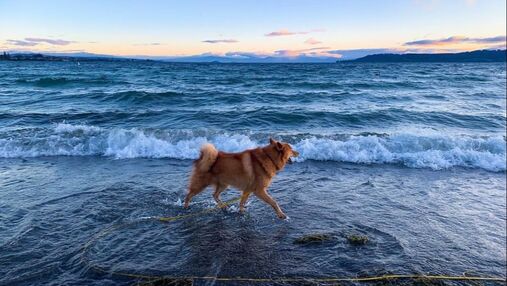
 Having a reactive dog can often be overwhelming at times. You feel out of control, your dog's behaviour may seem unpredictable, you are subjected to judgement from society, and it does take its toll. We see the struggles and effort that occurs when someone finds themselves with a reactive dog (because let's be honest - no one goes out looking for a dog who is reactive!). In saying this, it’s not the end of the world, and helping your dog feel as though it’s not necessary to react is very achievable. They are not bad dogs, they are very simply behaving in a way they feel is in their best interests, and they are worth that time and effort, just like every other dog. As we become more aware, we can help them feel safer, teach them alternative behaviours, and in turn, reduce their reactions. Reactivity comes on a scale. Some dogs react in only a small number of situations when they are pushed to their absolute limit, and some dogs are more sensitive and have a larger range of triggers, or it doesn’t take as much to have a reaction. To clarify, we consider a reaction to be a range of behaviours, from barking, lunging, or rushing, and all of these behaviours have different levels of intensity as well. We also want to be clear that reactivity has many root causes - fear, frustration, or excitement being the main ones we see. These dogs will be the ones to teach you the most just as much as you teach them. As you learn about them, you will learn things about yourself. They teach you to understand, have some patience and empathy, and ultimately see the world as they do. In the follow up of a wonderful meet up of those who have participated in our Reactive Dog Program - we wanted to share some of our insights into what owning and training a reactive dog can entail. Here are some of the things we encourage and train when working with reactive dogs and their humans! Help them feel Safe The first thing on the list for reactive dog training would be to adjust your home set up so that they feel safe. This might be blocking visuals if they can see passers by, placing their bed/crate away from door entrances so visitors never have to walk by them when coming to your home, or not leaving them outside unattended to deal with the world alone. The behaviours practised at home, and the emotions that come with it, have a strong effect on what happens in the outside world. 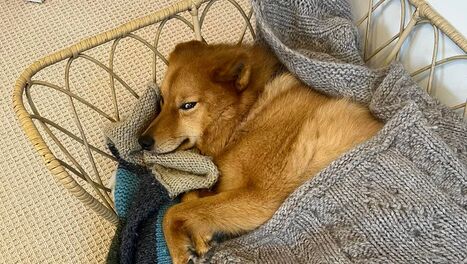 Figure out what purpose the dogs reaction serves Understanding why a dog reacts is key to helping them going forward. Whether it’s fear, frustration, over arousal, or prey drive will influence how and needs to be trained from a behaviour modification point of view. Each root cause needs a different approach, and what is trained will help the dog satisfy the need of why they’re reacting, but in a more appropriate way. Enrich their lives Some dogs' reactions can be worse if they are understimulated throughout the day - as other things (their triggers) become main focuses, and even more of a big deal. Feeding meals in fun enriching ways, playing games, doing regular training sessions, all promote the production of good brain chemicals that put your dog in a good state of mind for thinking, decision making, and behaviour modification training. We have a playlist of videos that can give you ideas. 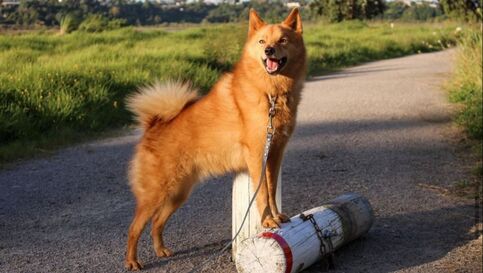 Find some safe adventure locations Find places you can take your dog where reactions are less likely to occur. If you go to busy park, with lots of people and dogs, you are not setting your pup up for success. Instead, look into going to a small quiet park where you can play, or a spacious area where there’s plenty of space for you to see things coming. Picking your locations where you can meet your dogs needs, and being smart about it, is a game changer for you and your dog. Place your dog's wellbeing above convenience Yes, you might have to drive in the car to get to your safe adventure locations. Yes, you may have to get up a little earlier to make time to prepare enrichment activities. Yes, reducing visuals in your home may take away some of your view. But overall, these choices are long term investments. As your dog gets more comfortable, learns to trust you, your world and life together becomes happier, less stressful, and much more fulfilling. 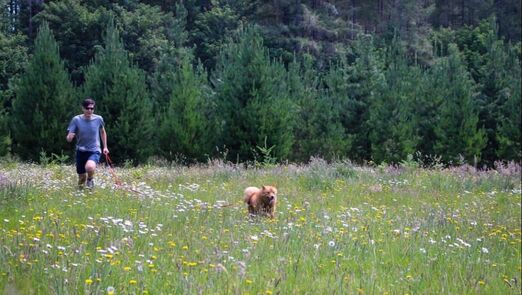 Teach your dog some manoeuvres that you can use when out and about Being able to make decisions on behalf of your dog, and knowing how to instruct them if things don’t go to the perfect plan, helps them feel safe and supported by you. It also prevents them from doing what they believe is the best - which is usually a reaction we would prefer to avoid. These movements can include: U-turns, switch sides, go behind me, and move away. Teach some form of scent work Nosework or tracking, are great sports for relationship building, fulfilling a dog's natural instincts, and giving them a job to focus on. Sniffing is also very calming for dogs, so facilitating this and promoting it more often can help them be better able to regulate themselves. Many scent work providers offer a safe space for reactive dogs, and have setups that will set you up for success when you train. 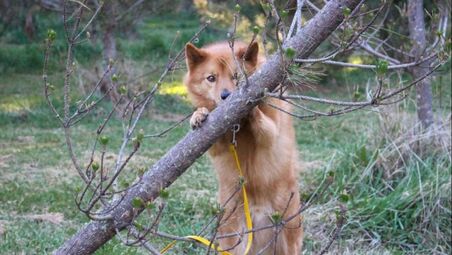 Accept your dog for who they are Working with your dog to reduce their reactions is very achievable, but that doesn’t change their underlying personality. Even when you get to a point of being able to work around and tolerate triggers, your dog will still have the same underlying traits that you need to consider, even if they do not match with yours. If they are introverted, they start to be able to tolerate the presence of triggers, but they do not feel the need to meet and befriend them. For sensitive dogs, training will help them be more resilient, but they are still affected by slight changes. Fearful dogs start to put their trust in you, but will still worry about what may happen. Excited or easily aroused dogs will improve their impulse control, but catching sight of a trigger will still make them start to buzz with energy. 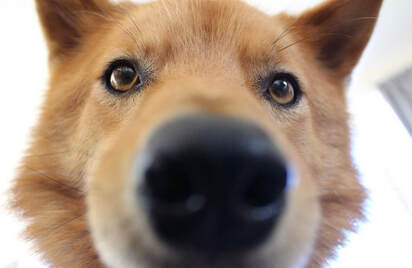 Whatever your dog’s personality, learning more about them, and finding ways to live your best lives together is a very special journey to embark on (pun not intended!). It is really important to realise and understand that you are not alone, and you are not stuck in a position where change is impossible. We have been very honoured to help people with their reactive dog training, and see the lives of both dogs and humans change for the better. Our Reactive Dog Program: If you feel like you could benefit from learning some of these skills, you can reach out to our supportive team - and you may make some lifelong friends in the process! 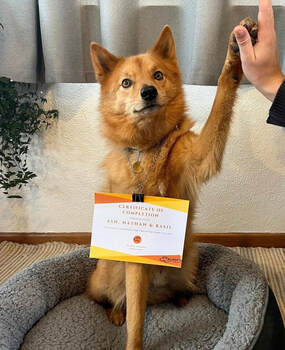 Authored by:
Sarah Endres Dog Trainer and Behaviour Advisor Brooke Rapira Prime Pups Educator and Dog Sport Instructor Pictures provided by Basil Brush (and his pawrents) - the Most Amazing Finnish Spitz, and one of the great Reactive Dog Program Teams we've had the pleasure of working with. Find them on Instagram! @thelifeofbasilbrush
0 Comments
Leave a Reply. |
AuthorsArticles created by the team at Allsorts Dog Training, Bay of Plenty, New Zealand Our Library
All
|
 RSS Feed